80s Music
How the music of the 80s influence our production of 12th Night
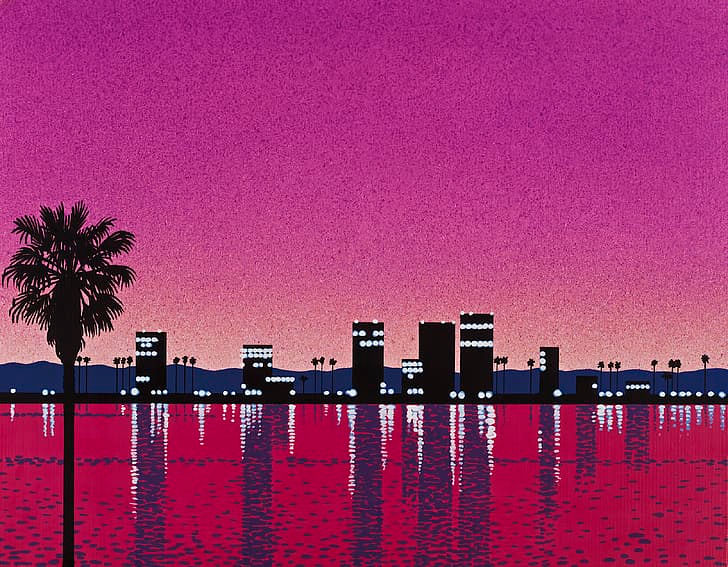
The 1980s were a decade defined by reinvention. Pop stars like Debbie Gibson and Bon Jovi dominated the airwaves, while Depeche Mode and The Cure brought moodier sounds that opened the door for indie rock. MTV exploded onto the scene in 1981, transforming music into a visual art where image mattered as much as sound. Madonna courted danger, Boy George played with gender, and groups like Bananarama made authenticity their rebellion. Music was never just entertainment — it was protest, politics, and survival. Live Aid turned concerts into humanitarian action, while queer artists challenged norms even as they faced alienation and homophobia. The AIDS crisis made every song a balancing act between grief and resistance, while hip hop rose from the streets with raw power, demanding visibility and respect.
Shakespeare’s Twelfth Night captures this same restless energy. Viola becomes Cesario not only to survive but to explore parts of herself otherwise hidden, adapting as quickly as the decade’s artists who reinvented sound and style to keep pace with shifting culture. Like Viola, the music of the 80s shows that identity is never fixed. It bends with desire, politics, and loss, reminding us that performance is not just play — it is power, protest, and possibility.